Other Moutain
SAMBARA MOUNTAINS
The Usambaras consist of two mountain blocks; the smaller is the East Usambaras lying closer to the coast with slightly higher rainfall. This block is less populated and its primary attraction is the Amani Nature Reserves, approached from Muheza, with its botanical garden, butterfly farming, tea & spice plantations. The West Usambaras are separated from the East by a valley and are approached via the district centre of Lushoto.
The mountains boast of over 3000 plant species in total and over 600 tree species. The Usambaras are part of the Eastern Arc Mountains which run parallel to the Tanzanian coast extending into Taita Hills in Kenya, and recognized as one of the world’s biodiversity hotspots. This exceptional diversity attracts naturalists and nature lovers from all over the world who come to watch birds, study trees and flowers or butterflies.
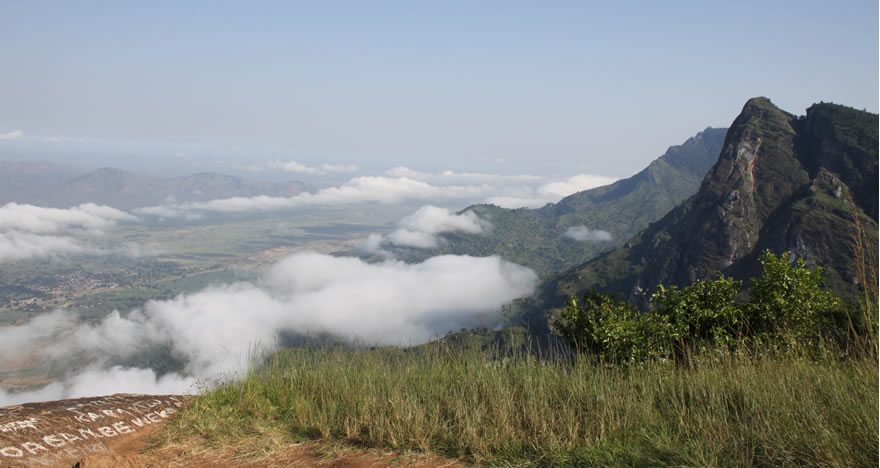
The Usambara Mountains, situated in the north eastern part of Tanzania, are known for their pleasant climate, beautiful view points and fertile slopes. Favoured by the Germans and English during colonial times, the area is rich in historical buildings from the period. Excursions, which take half day or less, will include hiking and visits to Wasambaa villages, where visitors may have a glimpse of daily life of the local people.
- Irente viewpoint
Hike up the Irente viewpoint to get a panoramic view of Mazinde village almost 1000 below and the vast Maasai plains beyond. On the way back, visit the Irente Farm cheese factory and the royal village of Kwembago.
- Usambara flora and fauna
Walk through the fertile farmlands of Jaegertal to a fruit tree nursery and learn about different varieties of fruit trees and their propagation. Continue uphill to the village of Vuli to see projects on soil conservation, irrigation and farming methods.
MT KILIMANJARO – ROUTES DESCRIPTION
UDZUNGWA MOUNTAIN
Harbouring one of East Africa’s great forests, Udzungwa Mountain National Park has an area of 1990 sq km, bordered by the Great Ruaha River to the north, with Mikumi National Park and Selous Game Reserve located further to the north and east. Protected as a national forest reserve until 1992 when it was commissioned as National Park, Udzungwa Mountains is undoubtedly one of the few true virgin and unique forested lands remaining in the world. The major attractions include its biologically diverse forest, harbouring some plant species found nowhere else in the world, from a tiny African violet to 30-metre high trees.
Apart from the forest, which acts as a water catchment area and having a large number of endemic species of both animals and plants, the park has spectacular mountains scenery, grasslands, rocks, rivers and waterfalls. One of the most interesting sights is the presence of two indigenous species of primates, the Iringa red colobus monkey and the Sanje Crested Mangabey, not known until 1979. Apart from providing habitat to about six species of primates, its plateau contains populations of elephants, buffalos, lions, leopards, African hunting dogs and several forest bird species.
Walking safaris to the Sanje River waterfalls (170 metres) is one of the popular activities in this park. Udzungwa Mountains can conveniently be combined with game drives in nearby Mikumi National Park, an hour·s drive to the north, or be included in the Ruaha National Park (4-5 hours drive) and Selous Game Reserve itineraries. The park can be visited throughout the year although it is a bit slippery during the wet rainy season. The dry season extends from June to October.